
The Water Valley Village
Nozawa Onsen Mountain Resort
Tokyo, Kyoto, Osaka, and Hiroshima are classic destinations for travelers to Japan, but they are all modern, bustling cities. Why not also enjoy a slower stay in the countryside, surrounded by nature and warm hospitality? For this kind of experience, I highly recommend Nozawa Onsen Village in Nagano Prefecture.
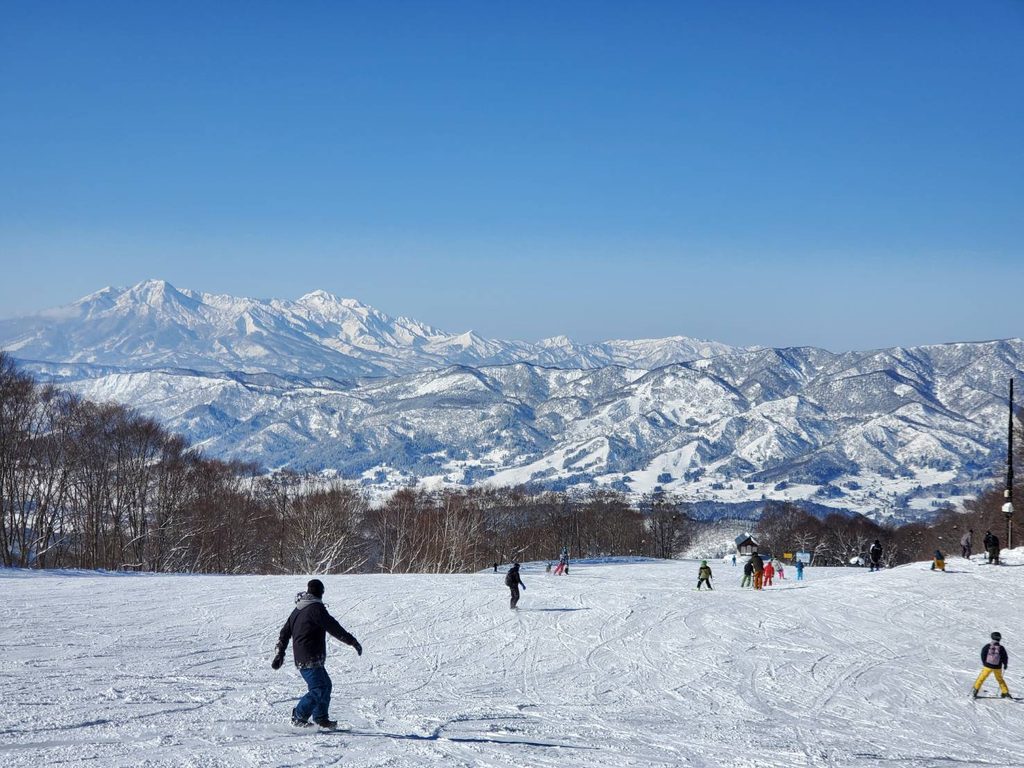
A Popular Ski Resort in Winter
Nozawa Onsen Village has long been known as one of Japan’s premier hot spring destinations. It is also one of the places where skiing was first introduced in Japan over a hundred years ago and has since developed into a vast ski resort renowned for its powder snow. It was also one of the venues for the 1998 Nagano Winter Olympics. As a result, although it is a small village with a population of just over 3,000, it is famous for having produced numerous Olympians. Furthermore, thanks to its connection to skiing, it has formed a sister-village partnership with the Austrian village of St. Anton. During the winter, skiers from all over the world gather in this small village, making it a bustling hub of activity.
The Charms of Nozawa Onsen Village
However, once the ski season ends, Nozawa Onsen Village regains its tranquility. In fact, the spring through fall season is a wonderful time to explore the village at a leisurely pace and truly appreciate the charm of this area. Now, let us take a closer look at the charms of Nozawa Onsen Village.
A Strong Local Community
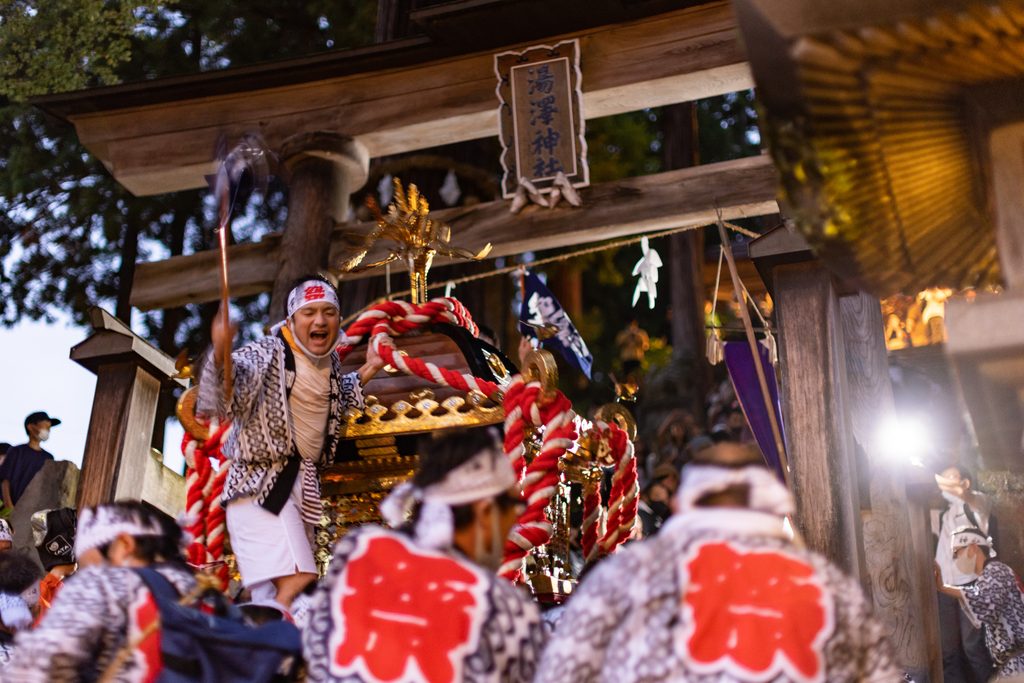
The village has long had a self-governing organization called the “Sodai,” which owns the mountain forests and manages “water” (water rights), including hot springs and agricultural water supplies within its jurisdiction. This has helped prevent uncontrolled economic development within the village. Various traditional village events, such as festivals and annual ceremonies, are also passed down to the next generation through this organization.
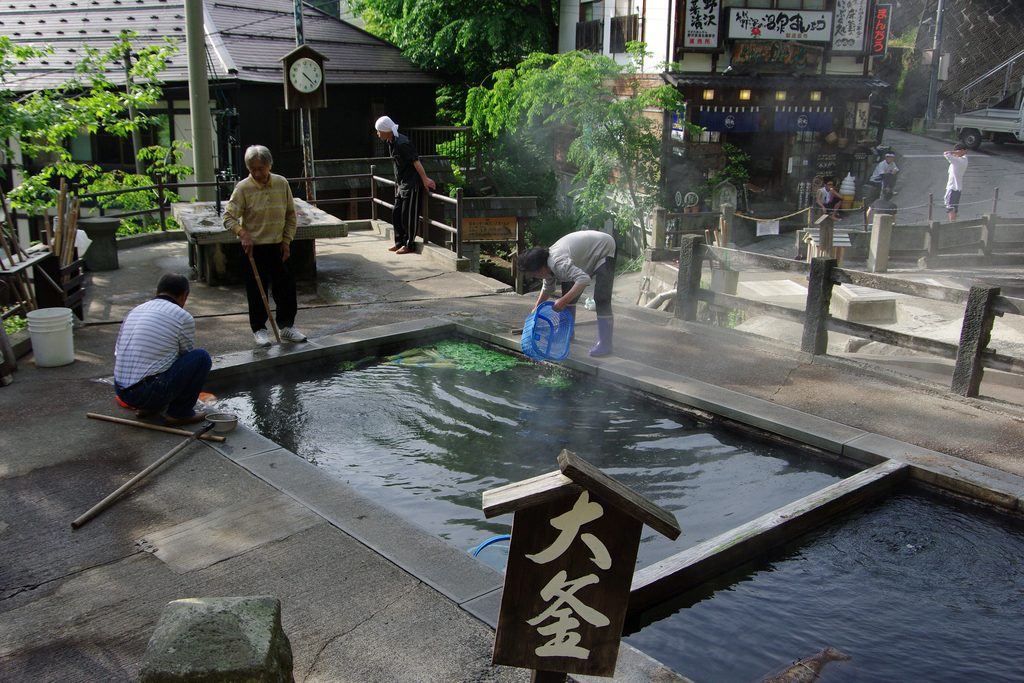
As a result of these ties, the villagers are very close-knit and know each other personally. When walking through the village with a local guide, you’ll be greeted by many people—a close-knit sense of community that has been lost in urban areas. The locals are truly kind to travelers, so you’ll surely feel a genuine sense of human connection. Community facilities for villagers, such as the “Ogama” (a communal kitchen utilizing natural hot spring water) and “Sotoyu” (public outer bathhouses), also convey the strong bonds of the local community. The fact that the entire village functions as a single community—isn’t this the greatest charm of Nozawa Onsen Village?
Abundant Nature and Spring Water
As you walk through the town center of Nozawa Onsen Village, you can hear the sound of water flowing here and there. This water comes from snow and rain that fell in the mountains, filtered underground over a period of 20 years before emerging as springs. The hot spring water, meanwhile, takes an even longer time – 50 years – to be warmed by underground heat before it emerges.
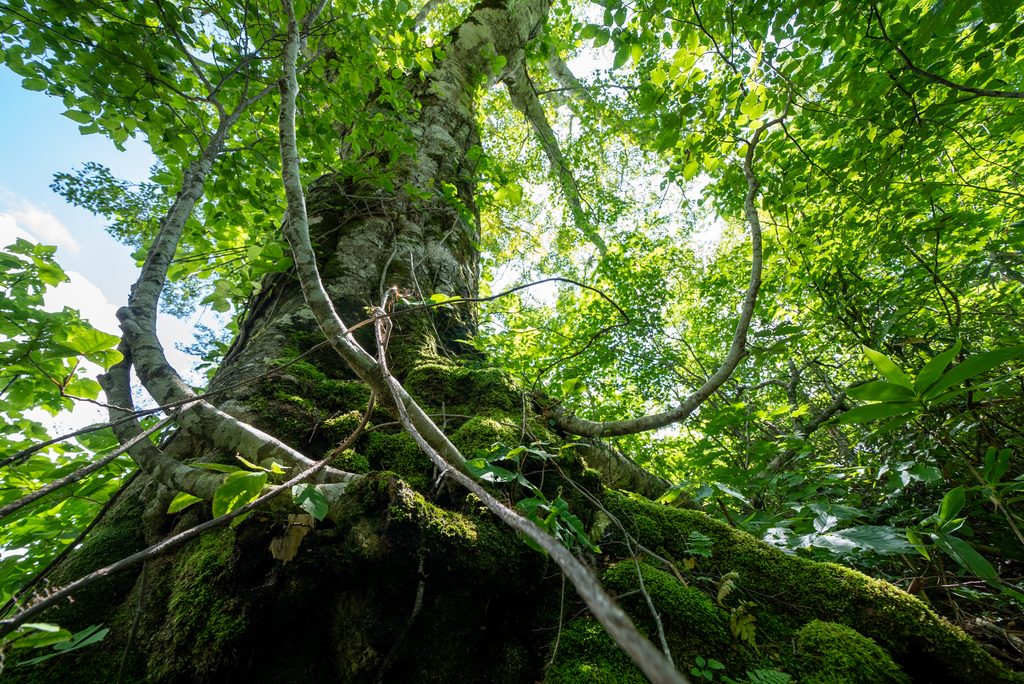
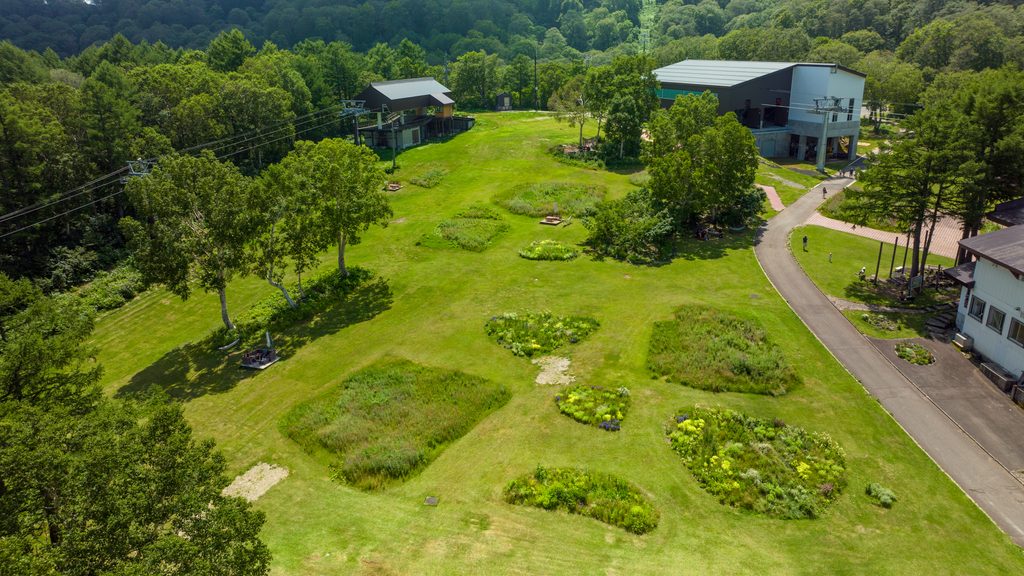
Take the gondola to the Uenotaira Plateau, part of a designated national park, where a beautiful beech forest awaits. This deciduous broadleaf forest stores vast amounts of water, earning it the name “green dam.” It is the source of Nozawa Onsen’s water and sustains the area’s abundant water cycle. You can trek through the forest with a local nature guide. Nearby, a flower garden features more than 600 varieties of alpine plants and wildflowers. In summer, you can enjoy a picnic surrounded by the many blooms.
3. High-Quality Hot Springs
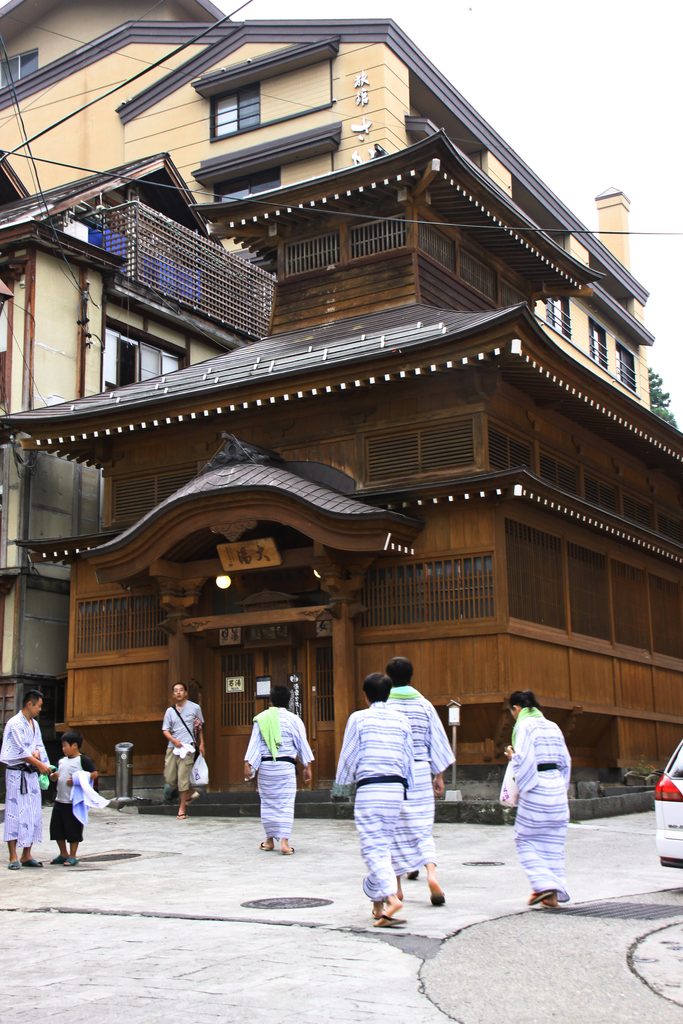
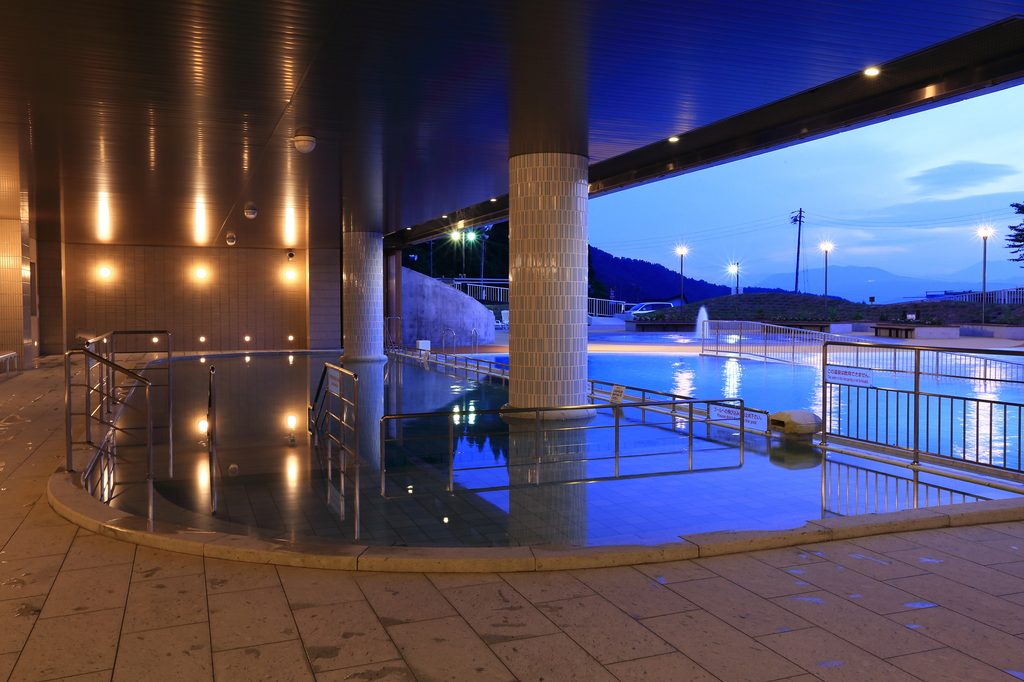
And when it comes to Nozawa Onsen, you can’t miss its high-quality hot springs. “Yunohana”—minerals from the hot spring that have precipitated and settled out—often float in the water. You can enjoy the hot springs any time of year, regardless of the season. Because Nozawa Onsen has an abundant supply of hot spring water, many inns offer “direct-flow” hot springs. This luxurious method involves using the hot spring water as is – without diluting it with tap water – and discarding the water immediately after a single use. All 13 Sotoyu – public outer bathhouses – feature direct-flow hot springs. This preserves the water’s slightly alkaline quality, earning it a reputation as “beautiful skin water” for its excellent skin-nourishing benefits.
Visiting the public baths is one of the highlights, but for those who prefer not to use public baths, there is also “SPARENA,” a hot spring facility where you can bathe in a swimsuit. We also introduce inns below that feature private baths or baths exclusive to guest rooms.
Nozawa Onsen Village During the Green Season (April–October)
Although snow still lingers in April and you can still see skiers enjoying spring skiing, the cherry blossoms—which have already fallen in Tokyo—are in full bloom in the Iiyama area on the way to Nozawa Onsen Village, making this a time when you can enjoy both snow and cherry blossoms at the same time.
From mid-May onward, it becomes possible to take walks through beech forests, marking the start of the mountain produce season after the snow melts. Within the village, the “Tempura Festival,” where spring wild vegetables are served as tempura, is held during Golden Week in May, and the “Bamboo Shoot Festival,” where you can savor local dishes made with seasonal bamboo shoots, takes place in June.
From July through September, many wildflowers are at their peak. At the Uenotaira Plateau, families can enjoy nature on the lawn areas, as well as on mountain bike and hiking trails. Meanwhile, in the hot spring town, you’ll start to see people practicing here and there in preparation for the Yuzawa Shrine Festival in September. In addition, September through October is the rice harvest season. The vast terraced rice fields stretching out below are dyed entirely yellow.
Then, in mid-October, the fall foliage reaches its peak. The yellow hues of the fall foliage here are said to be particularly beautiful. Of course, the hot springs flow abundantly all year round. Be sure to visit Nozawa Onsen Village during the green season.
Access
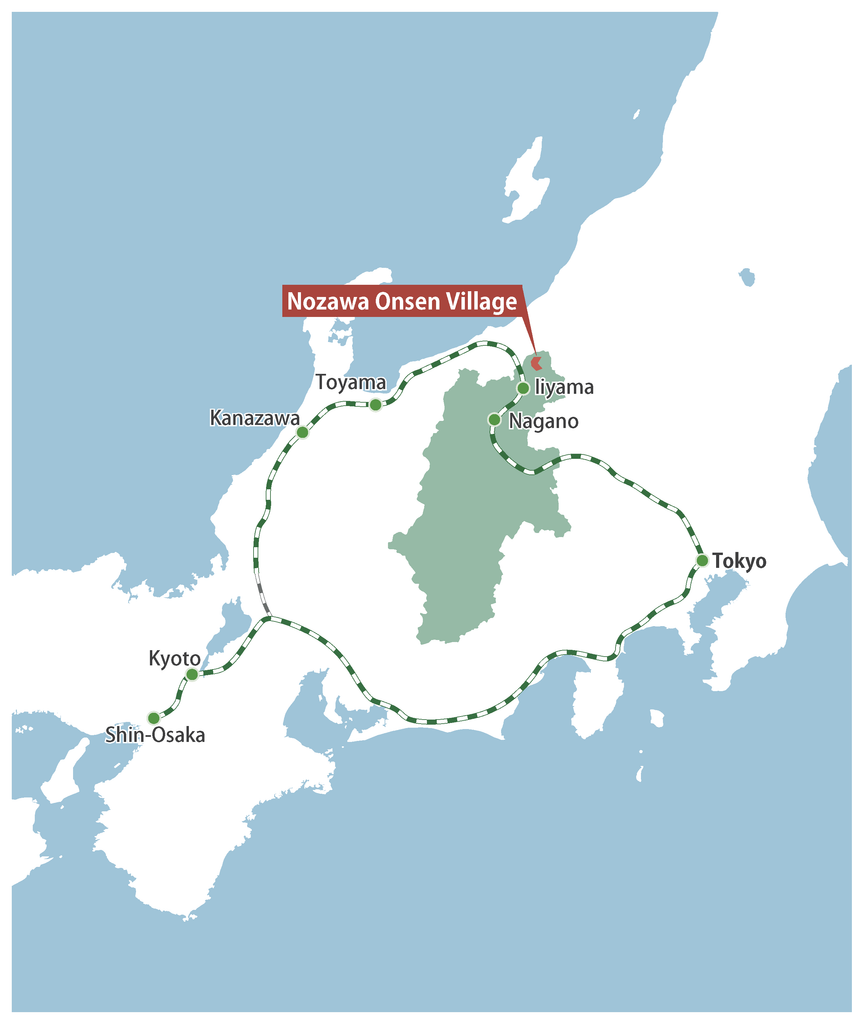
Nozawa Onsen Village is conveniently located about two hours from Tokyo via the Hokuriku Shinkansen (Super-express train) to Iiyama Station, followed by a 25-minute direct bus ride.
Taking the Shinkansen allows for quick and efficient travel. Recently, a popular route involved taking the Hokuriku Shinkansen from Tokyo to the Kansai region (Kyoto and Osaka) via Toyama and Kanazawa.
Why not get off just before Kanazawa to experience the nature and warm hospitality of Nozawa Onsen Village, and savor the unique charm of a Japanese mountain village—a refreshing change from city life?
Of course, an overnight trip from Tokyo is also entirely possible.
Accommodation, etc.
Here are a few recommended places to stay (reservations can be made via their websites).
Sumiyoshiya: Features private hot spring rooms available for exclusive use
https://sumiyosiya.co.jp/ or https://sumiyosiya.booking.chillnn.com/en/
Kawaichiya: Private rooms with hot spring baths
https://kawaichiya.jp/en/
Ryokan Sakaya: Private hot spring baths available
https://www.ryokan-sakaya.co.jp/en.html
Haus St. Anton Hotel: A cozy, lodge-style space
https://st-anton.jp/entop/
Inquiries
What did you think of this introduction to Nozawa Onsen Village? If you’re interested, please let us know by writing a note in the “Free Space” field of the inquiry form below.
We’ll handle arrangements for your trip and communication with the Nozawa Onsen Village Tourism Bureau.